
To reduce pressure on government coffers and private employers in meeting the pension liability of retired staff, National Pension Scheme (NPS) was launched on 1st January, 2004. Under this scheme the liability of earning pension after retirement falls on the employee and is directly proportional to the amount invested in the scheme all through his employment tenure. Further this scheme is also open to non-salaried. In order to earn higher rate of return, the person can select from various investment options based on his risk appetite be it equity, debt or government securities and in percentage combinations. The investments are through government recognised agencies and these agencies function under the supervision of government for safety of investments held.
It is past proven fact that in the long term return on investments in equities beats inflation. Thereby it will relieve the retired from tension by giving them monthly pension which is illustrated in the featured image.
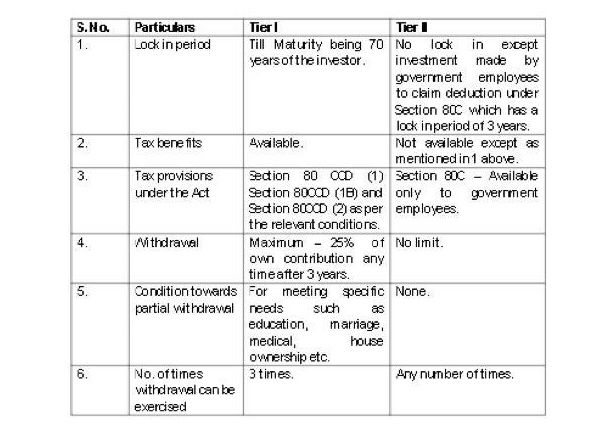
On opening a NPS account, the Tier I account gets opened mandatorily. Tier II account is optional. With this limited background let us compare other differences in these accounts:
NPowersU Team Expert Opinion
Maintaining the same standard of living after retirement in this age of nuclear family is on everyone’s mind. Monthly SIP inflows in Mutual Fund crossed INR 1 Lakh crore in December, 2021. Though annuity income earned by retired from Tier I account is taxable, (40% of lump sum withdrawal is exempt at the time of maturity) the effective rate of return earned on the investments will be more as compared to investments directly in most of the mutual funds as per current trends. Thereby it is a better option to shift portion of investments in mutual funds to NPS scheme.
Saving is a habit and so “A penny saved today is Pension earned tomorrow”
Related Links: